
Pressure drop is the difference between the pressure the compressor produces and the pressure that actually reaches the point of use. Every plant lives with some of it. The difference between well-run plants and average ones is knowing where it comes from, how to measure it, and which drops are worth spending money to fix. This guide gives you the practical playbook.
Where pressure drop comes from
Pressure drop is friction — the air rubbing against the inside of pipes, bends, valves, filters, dryers, and hoses as it moves. Four things drive it:
The important mental model: pressure drop is energy expenditure. Every bar of pressure drop the compressor must overcome is paid twice — once in the compressor producing extra pressure, once in the plant paying for that extra power.
Why pressure drop is expensive
The rule of thumb used across the industry: for every 1 bar of pressure drop that a compressor must compensate for, power consumption rises roughly 6–7% at the compressor.
Run the arithmetic for a 75 kW compressor with a system & times; pressure drop of 1.5 bar:
The money is not a single bill — it is spread invisibly across every machine the compressor feeds. That is why pressure drop is the least-examined line on the compressor's balance sheet, and one of the largest.
The 1-bar rule you can apply today
A practical rule used by compressed air auditors: aim for total system pressure drop below 10% of the compressor's output pressure. For a 7–8 bar system, that means keeping the total drop under about 0.7–0.8 bar. If your discharge pressure is 7 bar, the goal is roughly 6.2+ bar at the tool.
If your system is well above the 10% figure, do not guess at the fix — measure it. The measurement method below costs nothing and takes an afternoon.
How to measure pressure drop (no instruments required)
If you find a large gap, walk the system: the cause is usually oversized machines choking a small pipe, an undersized regulator, or a filter that hasn't been changed.
The biggest lever: filters and separators
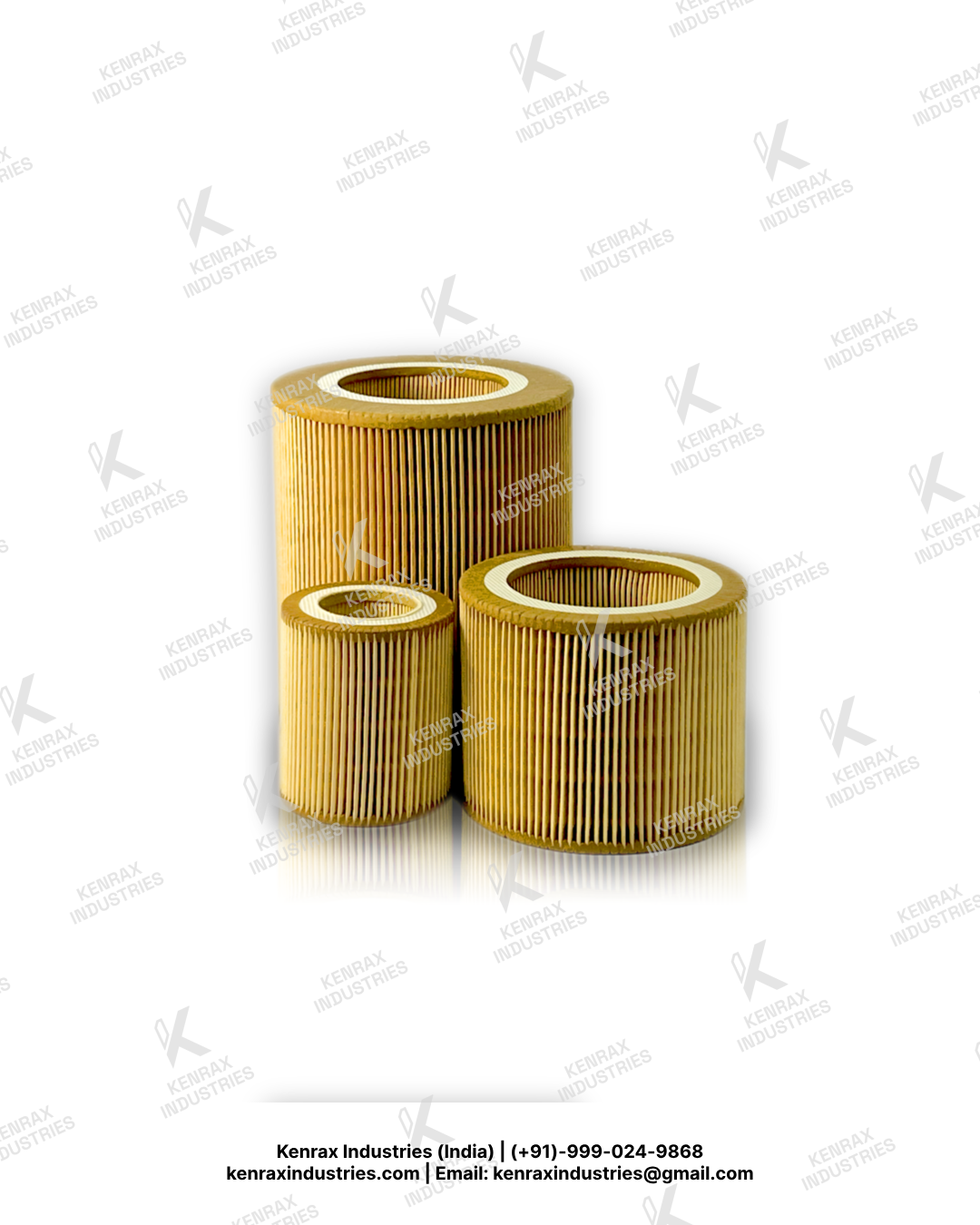
Filters and dryers sit in the air stream precisely to remove things — and every hour they run, that removal costs pressure. The discipline that gives the best return:
Every plant engineer has a story of 'finding' half a bar by replacing an ancient filter that was well past its life. That half bar is pure savings, and it shows up on the next electricity bill.
Cheap fixes that pay for themselves
The flow-pressure relationship to remember
Pressure drop rises with the square of flow. That means small improvements in flow discipline (reducing leaks, stopping breathing on oversized tools) produce disproportionate drops in pressure loss — one reason leak-fixing programs so often 'find' system pressure without changing any hardware. Fix the flow first, then the restriction.
The one-line summary
Pressure drop is paid twice and measured rarely. Keep the total under about 10% of supply pressure, change filter and separator elements on schedule, and attack undersized pipe before anything else. Kenrax's OEM-spec filters and separators keep the restriction side of that equation as low as the design allows. You can order these directly from Kenrax on WhatsApp (or check price on the product pages).